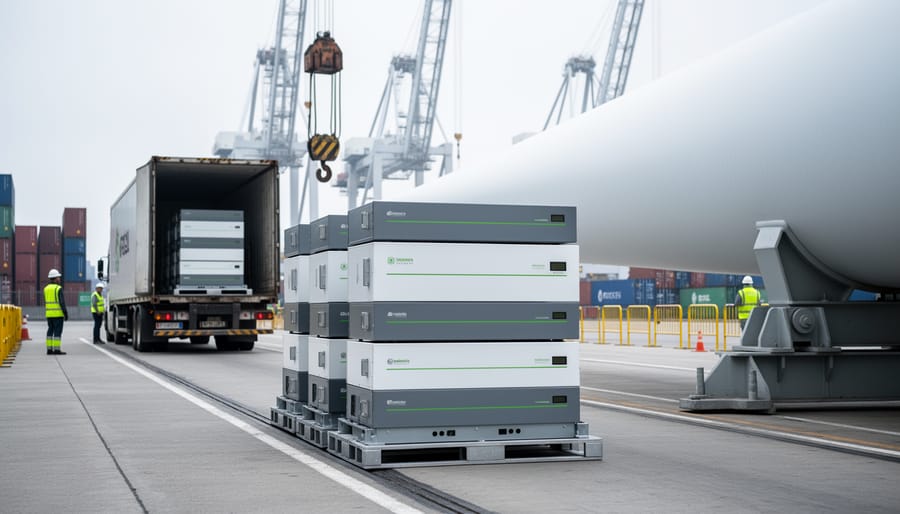
A renewable energy supply chain encompasses the entire network of suppliers, manufacturers, logistics providers, and service partners that deliver components and materials from raw extraction through project installation and maintenance. For renewable energy professionals in 2026, understanding these supply chains means navigating longer lead times, managing component shortages, and ensuring quality standards across global networks that differ substantially from conventional energy procurement. Success requires vetting suppliers for ISO 9001:2015 certification, diversifying sourcing strategies, and building relationships with partners who demonstrate both technical capability and environmental responsibility.
The stakes are significant. A single delayed shipment of solar inverters or wind turbine blades can push project timelines back months, while quality failures in photovoltaic modules or battery systems create costly warranty claims and performance penalties. Unlike traditional energy infrastructure that relies on established domestic suppliers, renewable energy examples like solar farms and wind installations depend heavily on specialized components manufactured across multiple continents, often with complex materials like rare earth elements and high-purity silicon.
The renewable energy supply chain landscape has matured considerably. Early-stage bottlenecks in manufacturing capacity have given way to new challenges: geopolitical risks affecting raw material access, sustainability concerns about mining practices, and the need for circular economy principles in end-of-life component management. Procurement managers now balance cost optimization with supply security, seeking partners who can demonstrate traceability, ethical sourcing, and consistent quality control.
This article examines what makes renewable energy supply chains distinctive, identifies the most common risks facing project developers today, and provides practical criteria for evaluating and selecting suppliers who will support your project’s technical requirements and sustainability goals.
Renewable energy supply chains operate under fundamentally different constraints than their fossil fuel counterparts. While traditional energy infrastructure relies on commodity-based sourcing with established global trading systems, renewable energy projects depend on highly specialized components manufactured in concentrated geographic regions. A single solar installation requires dozens of precisely engineered products, from photovoltaic cells and inverters to specialized cable assemblies and mounting hardware, each meeting strict performance specifications that directly affect system efficiency and longevity.
Geographic concentration creates inherent vulnerabilities. The majority of solar panel manufacturing, for example, remains concentrated in specific Asian markets, while wind turbine component production clusters around a handful of specialized manufacturers. This concentration amplifies the impact of regional disruptions, whether from natural disasters, trade policies, or capacity constraints. Recent clean energy supply chain trends show growing efforts to diversify production, but the technical expertise and capital requirements create high barriers to rapid geographic expansion.
Quality certification demands set renewable energy supply chains apart from conventional construction procurement. Because renewable installations often carry 25-year performance warranties, every component must meet rigorous certification standards, from UL listings to IEC compliance. A single substandard connector or cable can compromise an entire array’s output, creating liability that extends far beyond the component’s replacement cost. This quality imperative means procurement teams cannot simply select the lowest-cost supplier, they need partners who maintain consistent certification and testing protocols across their entire product range.
Sustainability requirements add another layer of complexity unique to this sector. Renewable energy purchasers increasingly expect supply chain partners to demonstrate environmental responsibility that aligns with the projects’ clean energy mission. This means tracking embodied carbon in materials, ensuring ethical labor practices, and implementing circular economy principles for packaging and logistics. Understanding how renewable systems work reveals why component quality directly affects energy generation efficiency, making supply chain integrity a technical requirement, not just an ethical preference.
These distinctive characteristics demand a fundamentally different approach to supplier selection and relationship management than traditional energy infrastructure projects require.
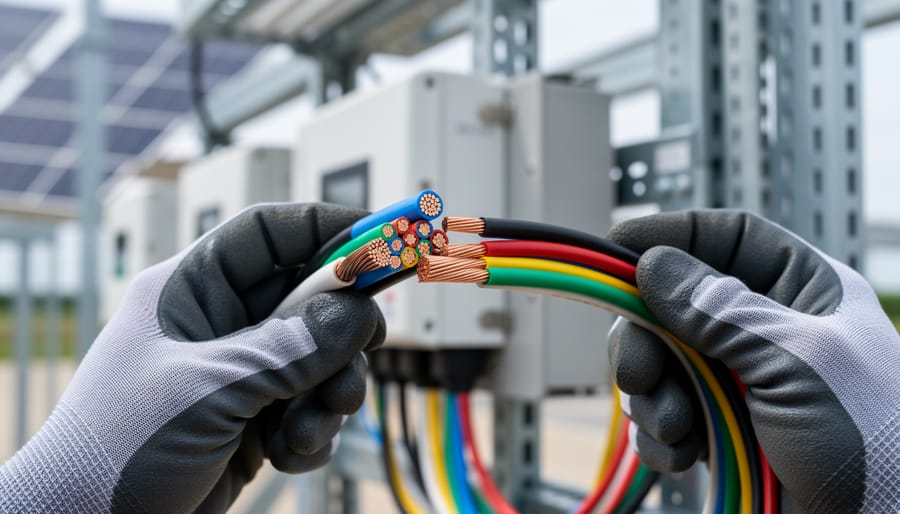
Solar and wind installations present cabling challenges that standard electrical wire simply cannot meet. Components must withstand decades of UV exposure, temperature swings from -40°C to +90°C, moisture infiltration, and mechanical stress from wind vibration or thermal expansion. Photovoltaic wire, for instance, uses electron-beam cross-linked insulation and tinned copper conductors specifically rated for direct burial and rooftop exposure, conventional building wire would degrade within years under the same conditions.
Understanding solar and wind basics helps clarify why cable specifications matter so much: a single failed connector in a string of solar panels can disable an entire array, and a corroded termination in a wind turbine nacelle may require costly crane access to repair. That’s why procurement teams prioritize UL 4703 certification for PV wire, TC-ER ratings for tray cable in commercial installations, and marine-grade tinning for coastal wind projects.
EV charging infrastructure adds another layer of complexity. Charging cables must flex thousands of times without conductor fatigue, resist automotive fluids, and safely deliver 150 kW or more in rapid-charge applications. The cable assembly itself becomes a wear item, requiring inventory planning for replacements alongside the charging stations.
Wire management extends beyond the conductors themselves to include cable trays, conduit, protective sleeving, and labeling systems that ensure safe installation and simplified maintenance over a 25-year project lifespan.
Racking systems and mounting hardware form the literal foundation of every solar and wind installation, yet they’re often overlooked until a failure occurs. These structural components must withstand decades of wind loads, snow accumulation, thermal cycling, and seismic activity while maintaining precise alignment for optimal energy capture. A compromised mounting system doesn’t just risk equipment damage, it can invalidate warranties, reduce energy output by 10-15% through misalignment, and create dangerous safety hazards.
Solar racking systems vary significantly by application. Ground-mount installations require driven piles or ballasted foundations engineered for local soil conditions and frost lines. Rooftop systems demand careful integration with existing structures, accounting for roof penetrations, load distribution, and compatibility with diverse roof materials from standing seam metal to membrane systems. Carport structures add complexity by supporting both solar arrays and vehicles while meeting building codes.
Quality mounting components use corrosion-resistant materials, typically aluminum alloys or hot-dip galvanized steel, with certifications proving they’ll maintain structural integrity through their design life. This matters equally for EV charging and renewables infrastructure, where mounting systems must accommodate heavier equipment loads and potential vehicle impacts. Procurement teams should verify that structural accessories include proper grounding provisions, adjustable tilt mechanisms for optimization, and compatibility with evolving panel dimensions as module sizes continue increasing industry-wide.
Connectors form the nervous system of any renewable installation, transmitting power and data between panels, inverters, and storage systems. MC4 connectors remain the solar industry standard, but connector selection extends far beyond matching plug types, sealing integrity, contact resistance, and UV stability directly impact long-term system yield. A single compromised connection point can create cascading voltage drops across an entire string.
Junction boxes protect critical electrical junctions from moisture, dust, and temperature extremes. For solar applications, these enclosures must accommodate thermal cycling that can span 100°F daily swings while maintaining IP65 or higher ingress protection ratings. Quality junction boxes incorporate flame-retardant materials and secure strain relief to prevent cable fatigue at connection points.
Inverters bridge DC generation and AC grid delivery, but their reliability depends on supporting electrical infrastructure: disconnect switches, surge protection devices, and monitoring equipment. String inverters require different accessory specifications than central or microinverter architectures. Ground fault protection devices, rapid shutdown equipment, and arc fault detection systems aren’t optional add-ons, they’re code-required safety infrastructure that demands the same procurement scrutiny as primary components.
Fuse assemblies, circuit breakers, and overcurrent protection devices safeguard against thermal events and equipment damage. Selecting components rated for DC applications prevents the sustained arcing that standard AC-rated protection cannot interrupt.
Extended lead times present one of the most significant planning challenges in renewable energy procurement. Solar inverters can require 16-20 weeks from order to delivery, while specialized mounting systems often demand 12-16 weeks. Without proactive management, these timelines cascade into costly project delays and lost revenue opportunities.
Effective forecasting starts with understanding your project pipeline 6-12 months out. Build relationships with suppliers who share real-time manufacturing capacity data rather than generic lead time estimates. This transparency allows you to spot potential bottlenecks early and adjust procurement schedules accordingly.
Strategic buffer inventory offers insurance against unexpected delays. Maintain safety stock of long-lead, high-criticality components, particularly items with single-source suppliers or complex certifications. The carrying cost typically represents 2-3% of component value, far less than the revenue loss from a delayed commissioning date.
Consider phased ordering for multi-site deployments. Rather than ordering all components simultaneously, stagger purchases to match construction schedules while securing critical-path items first. This approach reduces working capital requirements while maintaining project momentum.
When suppliers quote lead times, request the breakdown: manufacturing versus shipping versus customs clearance. Understanding where delays typically occur lets you implement targeted mitigation strategies.
Quality assurance protocols serve as your first line of defense against components that could compromise system performance or safety. In renewable energy supply chains, where projects operate for decades in harsh conditions, a single substandard connector or counterfeit component can trigger costly failures or safety hazards.
ISO 9001:2015 certification represents the gold standard for quality management systems in renewable energy supply. Certified suppliers maintain documented processes for incoming material inspection, traceability throughout production, and final testing protocols that verify components meet specification requirements before shipment. This systematic approach catches defects before they reach your job site.
Counterfeits pose a growing threat, particularly for high-value components like inverters and specialized cables. Legitimate suppliers implement authentication measures including serialized tracking, tamper-evident packaging, and direct relationships with manufacturers. They can provide certificates of conformity and test reports that verify electrical ratings, environmental resistance, and safety compliance.
Third-party testing certifications matter. Look for UL, CSA, TUV, or IEC marks on electrical components, which confirm independent verification of safety and performance claims. For solar applications specifically, components should meet or exceed standards like UL 4703 for photovoltaic wire management systems.
Your quality assurance extends beyond the product itself to documentation accuracy and lot consistency, ensuring every component performs as specified throughout your project’s operational life.
Geographic concentration in renewable energy manufacturing creates significant vulnerability. Most solar panels originate from a handful of Asian factories, while specialized components like inverters and mounting systems often come from single-source European or North American manufacturers. When a factory shuts down due to natural disaster, trade policy shifts, or capacity constraints, projects across multiple continents face delays.
Smart procurement teams build supplier portfolios that balance cost efficiency with supply security. This means maintaining relationships with primary vendors who offer competitive pricing and proven quality while identifying qualified secondary sources for critical components. Regional sourcing isn’t just about domestic preference, it’s about reducing transit dependencies and currency exposure.
Consider the total risk profile: a supplier 200 miles away might charge 8% more than an overseas manufacturer, but eliminates ocean freight delays, reduces carbon footprint, and provides faster response during urgent needs. For high-value projects, that premium often pays for itself in schedule certainty alone.
Diversification also means knowing your suppliers’ suppliers. A single raw material bottleneck, like purified silicon or rare earth elements, can affect multiple vendors simultaneously.
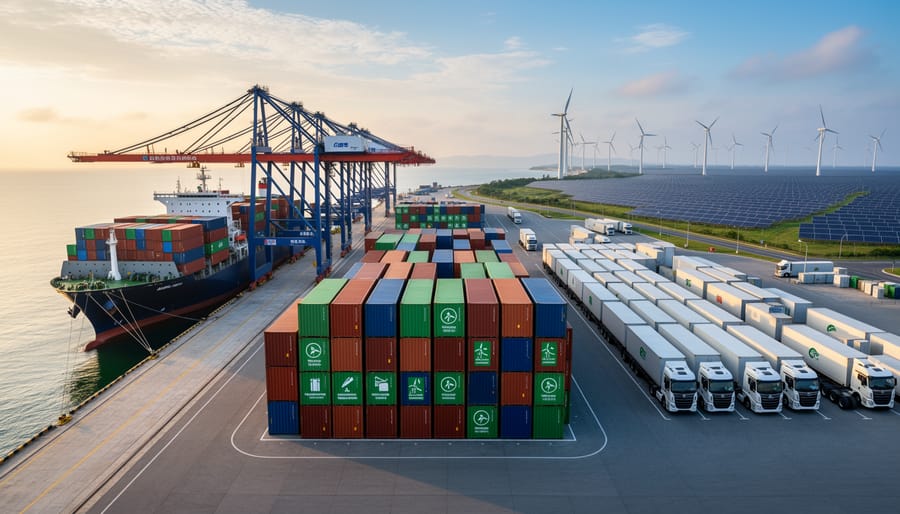
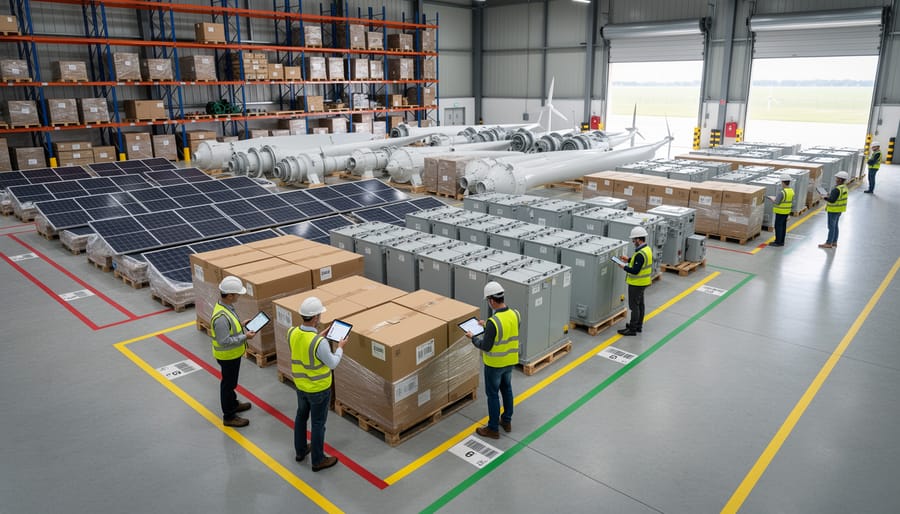
Logistics represents the invisible infrastructure that determines whether renewable energy projects launch on schedule or stall in costly delays. While engineering teams focus on system design and contractors coordinate installation, the movement of components from manufacturer to job site often becomes the critical path that makes or breaks project timelines.
Efficient distribution networks compress lead times by positioning inventory strategically across regions rather than forcing all shipments from distant manufacturing hubs. A solar farm in Texas should not wait weeks for mounting hardware to travel from overseas when regional warehouses can deliver the same certified components in days. This geographic positioning matters particularly for North America’s vast distances, where the difference between coast-to-coast shipping and regional delivery can represent two weeks of project schedule.
The logistics advantages that separate high-performing supply chains from mediocre ones include:
Cost reduction flows naturally from logistics optimization. Consolidated orders minimize freight expenses per unit, while accurate demand forecasting prevents expensive rush shipping. A single truckload delivering cables, connectors, and mounting hardware costs substantially less than three separate shipments, yet many projects incur these unnecessary expenses through fragmented procurement.
Environmental impact extends beyond the renewable systems themselves to encompass how components reach project sites. Carbon-conscious logistics strategies reduce transportation emissions through route optimization, shipment consolidation, and regional sourcing where feasible. A supplier operating distribution centers across North America generates lower transportation emissions than one shipping everything from a single coastal port, aligning supply chain operations with the sustainability mission of renewable energy projects.
Warehousing practices contribute significantly to logistics performance. Climate-controlled facilities protect sensitive electronics from temperature extremes and humidity damage. Organized inventory systems with robust tracking prevent the picking errors that send wrong components to job sites, triggering expensive return shipments and installation delays. The warehouse becomes quality assurance’s last checkpoint before components enter the field.
Renewable energy projects exist to reduce carbon emissions and environmental impact, yet the supply chains supporting them can undermine these goals if sustainability is not embedded at every stage. A truly sustainable supply chain goes beyond delivering components on time, it reflects the environmental values that drive the industry itself.
Carbon-conscious logistics represent the first opportunity for alignment. Transportation accounts for a substantial portion of supply chain emissions, particularly when components travel intercontinental distances from manufacturing hubs to project sites. Forward-thinking suppliers optimize shipping routes, consolidate shipments to reduce empty miles, and increasingly utilize low-emission transport options where available. Warehousing practices matter too: energy-efficient facilities powered by renewable sources, climate-controlled storage that minimizes waste from damaged inventory, and strategically located distribution centers that shorten last-mile delivery all contribute to a lower carbon footprint. The difference between a supplier who treats logistics as pure cost optimization versus one who factors in emissions intensity can translate to measurable environmental impact across a portfolio of projects.
Ethical sourcing extends sustainability beyond carbon metrics into social responsibility. Renewable energy components rely on materials like copper, aluminum, and rare earth elements, some of which carry significant ethical risks in their extraction and processing. Responsible supply chain partners verify that materials come from sources meeting labor standards, avoid conflict minerals, and support fair working conditions throughout manufacturing. Certification programs and third-party audits provide transparency, but the commitment must run deeper than paperwork, it requires ongoing supplier relationships built on shared values rather than lowest bid alone.
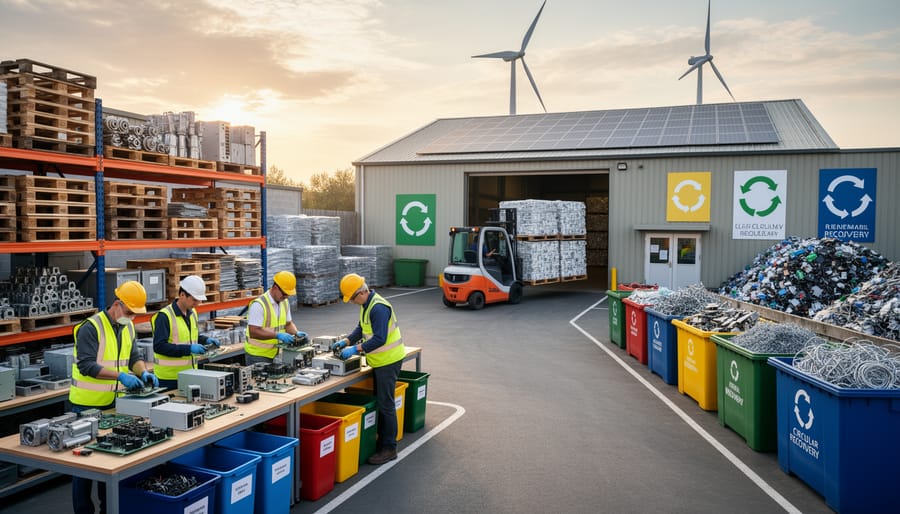
Circular economy practices close the loop on material flows. Rather than treating end-of-life components as waste, sustainable supply chains design for reuse, refurbishment, and recycling from the outset. This means stocking components built for longevity and repairability, offering take-back programs for replaced materials, and partnering with recycling facilities equipped to recover valuable materials from solar panels, batteries, and electronic components. Some suppliers now offer refurbished or recertified components that meet full performance standards while avoiding the environmental cost of new production.
Packaging reduction deserves attention as well. Excessive or non-recyclable packaging materials add waste and weight to every shipment. Suppliers committed to sustainability utilize minimal, recycled, or returnable packaging systems that protect components during transit without generating unnecessary disposal burden at project sites.
When your supply chain partner demonstrates these practices, carbon reporting, ethical sourcing verification, circular economy programs, and waste reduction, they transform from a vendor into an extension of your project’s environmental mission. This alignment amplifies the positive impact of every renewable installation you complete.
Selecting the right supply chain partner can determine whether your renewable energy project finishes on time and within budget or grinds to a halt waiting for components. The stakes are high: a single missing connector or delayed cable shipment can idle crews, push commissioning dates, and erode stakeholder confidence. Procurement managers and project leaders need a systematic approach to vetting suppliers that goes beyond price comparison.
Start by evaluating technical expertise specific to renewable energy applications. A supplier should demonstrate deep knowledge of solar, wind, and EV infrastructure requirements, not just general electrical distribution experience. Ask about their team’s certifications, their involvement in industry associations, and their track record with projects similar to yours in scale and technology. Suppliers who understand the nuances of combiner boxes, DC-rated cables, and grounding systems for utility-scale solar will anticipate your needs rather than react to them.
Inventory depth matters more in renewable energy than in most industries. Projects move fast once permitting clears, and lead times from overseas manufacturers can stretch three to six months. Your partner should maintain substantial stock of critical components, cables in various gauges, connectors for multiple panel types, mounting hardware for different roof profiles, so you’re not at the mercy of container ship schedules. Verify they have local warehouse capacity and ask what percentage of typical project BOMs they can fulfill from existing inventory.
Certifications provide objective proof of capability. ISO 9001:2015 certification signals that a supplier has implemented quality management systems with documented processes, internal audits, and accountability structures. This matters because renewable energy components must perform reliably for 25 years or more in harsh environments. A certified partner is less likely to cut corners or introduce counterfeit products into their inventory.
Sustainability commitment separates suppliers who understand renewable energy from those who simply see a growth market. Look for partners who measure and reduce their own carbon footprint, optimize shipping routes to minimize emissions, and implement circular economy practices like packaging reuse. Their environmental stewardship should match the mission driving your project.
Finally, assess communication and responsiveness. During the due diligence phase, notice how quickly they answer technical questions, whether they proactively flag potential issues, and how transparently they discuss constraints. A supplier who communicates clearly before the first purchase order will handle the inevitable mid-project challenges with the same professionalism.
Supply chain excellence isn’t just a supporting factor in renewable energy deployment, it’s the foundation that determines whether ambitious sustainability targets become reality or remain aspirational. As North America accelerates its transition to clean energy, the organizations that succeed will be those treating supply chain strategy as a core competitive advantage rather than an operational afterthought.
The evidence is clear across every project scale and technology type. Procurement managers who partner with ISO 9001:2015 certified suppliers consistently report fewer delays, lower risk of component failure, and greater predictability in project timelines. These certified partners bring systematic quality controls, documented processes, and accountability that transform supply chain management from a vulnerability into a strategic asset.
Beyond operational efficiency, your supply chain choices directly influence the environmental impact of your projects. Sustainability-focused suppliers reduce the carbon footprint of logistics, source responsibly, and align their operations with the same values driving your renewable energy overview and project goals. This alignment matters to stakeholders, strengthens your sustainability narrative, and ensures that the infrastructure supporting clean energy embodies those principles at every step.
The renewable energy sector faces unprecedented growth opportunities alongside complex supply challenges. Your response to those challenges, whether reactive scrambling or proactive partnership with trusted suppliers, will define your project outcomes and competitive positioning for years ahead.